
A complete B2B guide to understanding OEM embroidery fabric manufacturing, quality control systems, customization techniques, and sourcing strategies for global fashion brands and textile wholesalers.
Understanding OEM Embroidery Fabric Production
OEM embroidery fabric manufacturing plays a critical role in the global textile supply chain, especially for fashion brands, bridal designers, luxury garment producers, and home textile manufacturers. Modern OEM factories provide complete development services from design digitization to mass production, helping brands create exclusive fabric collections with consistent quality and scalable output.
High-quality
embroidery fabric
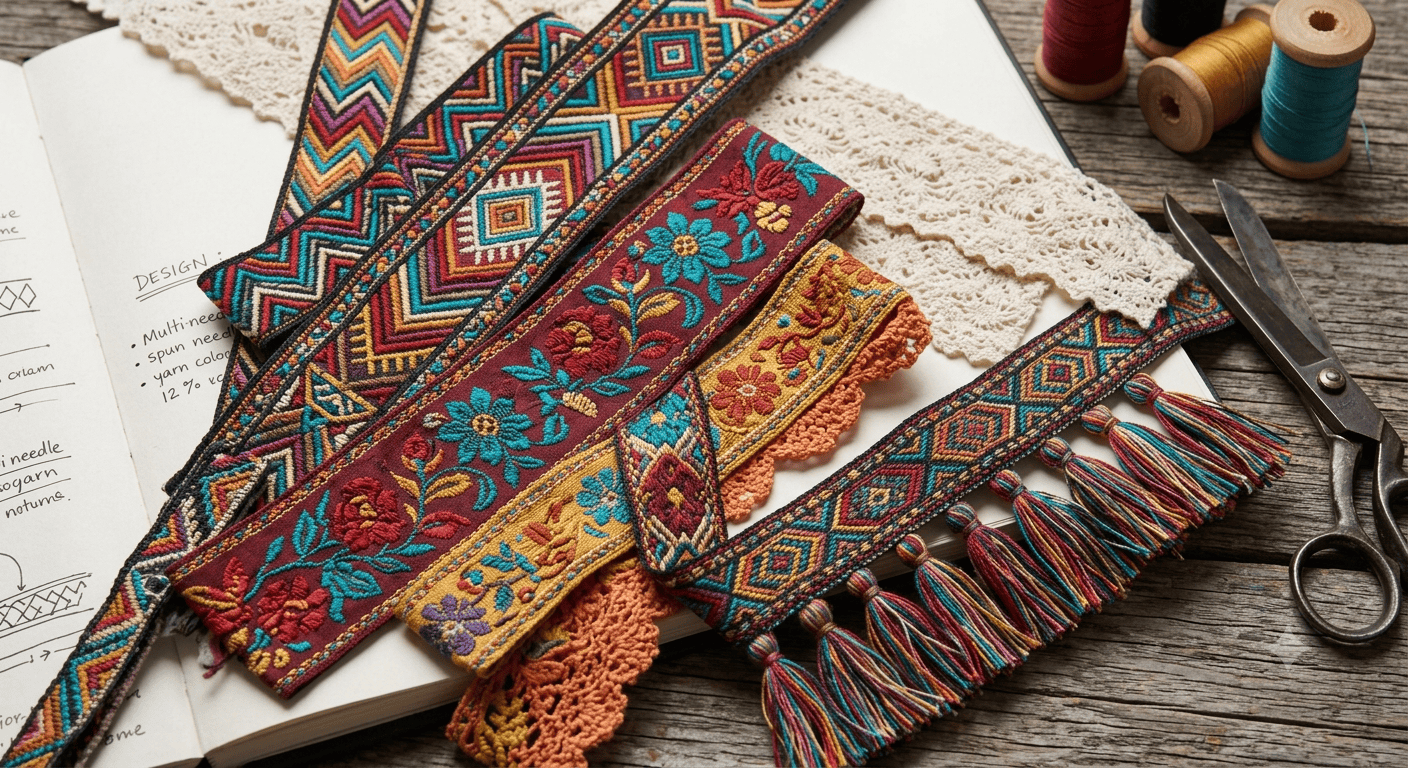
combines decorative embroidery techniques with stable base fabrics such as mesh, tulle, organza, cotton, linen, polyester, or nylon blends. Depending on the application, embroidery density, thread composition, and backing materials are carefully engineered to meet both aesthetic and functional requirements.
For fashion brands requiring exclusive textile collections,
custom embroidery fabric
production allows complete personalization of embroidery motifs, stitch density, yarn colors, sequins, beads, and fabric finishes. OEM factories work closely with designers to transform creative concepts into commercially scalable fabric solutions.
An experienced
embroidery fabric manufacturer
typically integrates embroidery programming, computerized embroidery machines, dyeing systems, inspection departments, and export logistics under one production facility to improve efficiency and quality consistency.
Step-by-Step OEM Embroidery Fabric Production Process
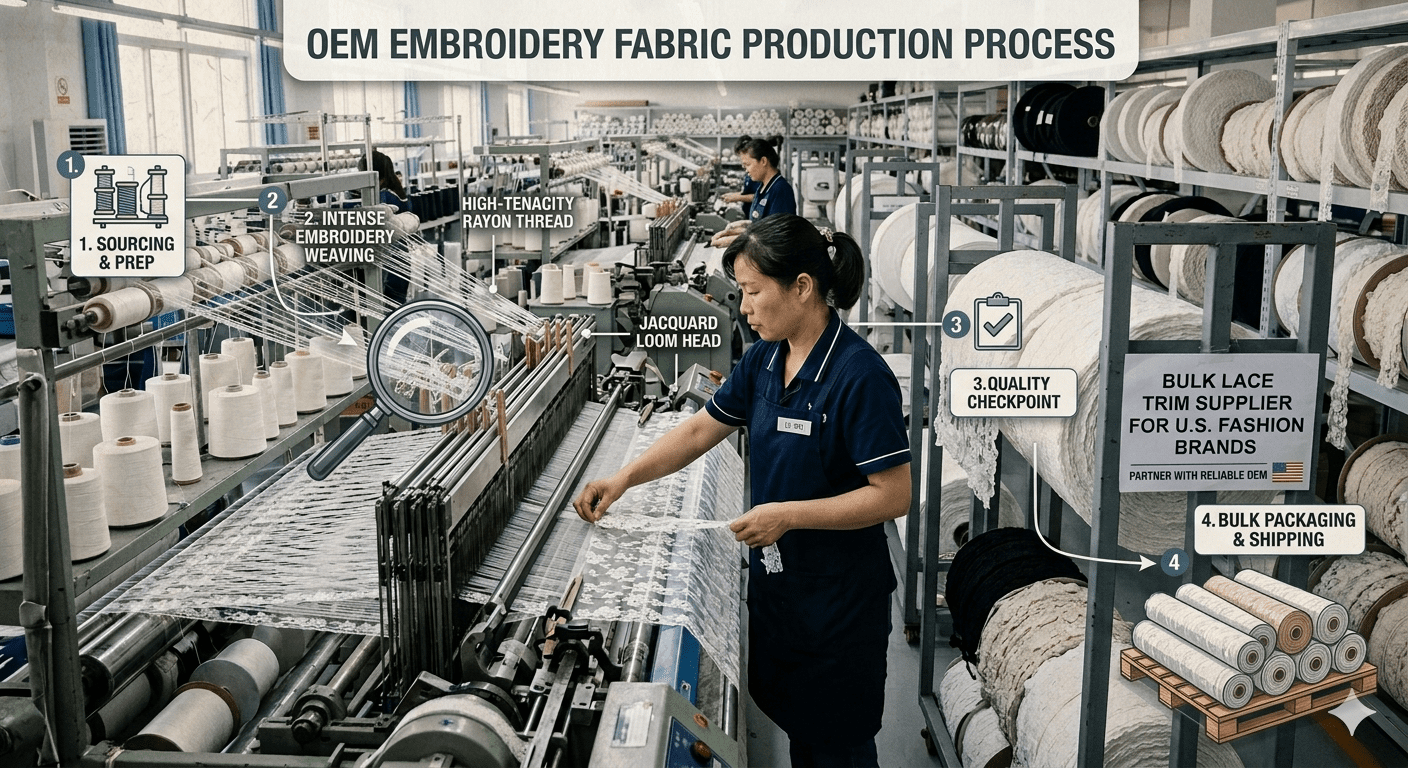
1. Design Development & Digitization
The production process begins with artwork creation and embroidery digitization. Designers convert floral motifs, geometric patterns, or couture concepts into machine-readable embroidery files. Proper stitch mapping ensures precision and efficient machine operation.
2. Base Fabric Selection
Selecting the appropriate base material is essential for achieving desired drape, texture, and durability. Common options include mesh, tulle, organza, satin, cotton voile, and polyester netting.
3. Yarn & Thread Preparation
OEM factories prepare embroidery threads according to Pantone color requirements and project specifications. Metallic yarns, rayon threads, cotton threads, and eco-friendly recycled fibers are widely used in modern embroidery production.
4. Computerized Embroidery Production
Advanced multi-head embroidery machines execute the embroidery program at high speed while maintaining stitch precision. This stage determines pattern clarity, embroidery density, and overall visual quality.
5. Dyeing & Finishing
After embroidery completion, fabrics may undergo dyeing, washing, softening, heat-setting, or wrinkle-resistant finishing treatments depending on customer requirements.
6. Inspection & Packaging
Final quality inspection ensures embroidery consistency, fabric stability, and defect-free packaging before export shipment. Reliable
embroidery fabric supplier
facilities implement multiple inspection checkpoints throughout the production workflow.
Technical Parameter Comparison for Embroidery Fabrics
Professional B2B Quality Inspection Standards
International apparel buyers and sourcing managers apply strict quality control standards when purchasing
wholesale embroidery fabrics.
Consistent inspection systems help minimize production risks and improve long-term supply chain reliability.
Key Inspection Areas
- Embroidery Accuracy: Verification of stitch alignment and pattern consistency.
- Color Fastness: Resistance to washing, perspiration, and UV exposure.
- Fabric Stability: Dimensional stability after washing and heat treatment.
- Thread Quality: Uniform tension and low breakage rates.
- Defect Detection: Inspection for skipped stitches, holes, oil stains, and loose threads.
- Roll Length Consistency: Accurate measurement for bulk shipment compliance.
Advanced OEM manufacturers often implement automated fabric scanning systems alongside manual quality inspections to achieve premium-grade embroidery consistency.
2026 Embroidery Fabric Industry Trends
3D Embroidery Technology
Layered embroidery structures and raised floral textures are becoming major trends in bridal couture and luxury fashion collections. These techniques create visually rich surfaces with enhanced dimensional effects.
Sustainable Textile Development
Brands increasingly prioritize recycled polyester mesh, organic cotton foundations, biodegradable packaging, and eco-certified dyeing processes to meet sustainability targets.
Metallic & Reflective Embroidery
Metallic yarns and reflective embroidery finishes are gaining popularity in festival fashion, luxury eveningwear, and premium accessories.
Digital Sampling & AI Pattern Optimization
OEM factories are integrating AI-assisted embroidery simulation systems to shorten development cycles and reduce sampling waste during product creation.
Maintenance & Storage Recommendations
Proper maintenance is essential for preserving embroidery fabric appearance, embroidery integrity, and export quality during transportation and warehousing.
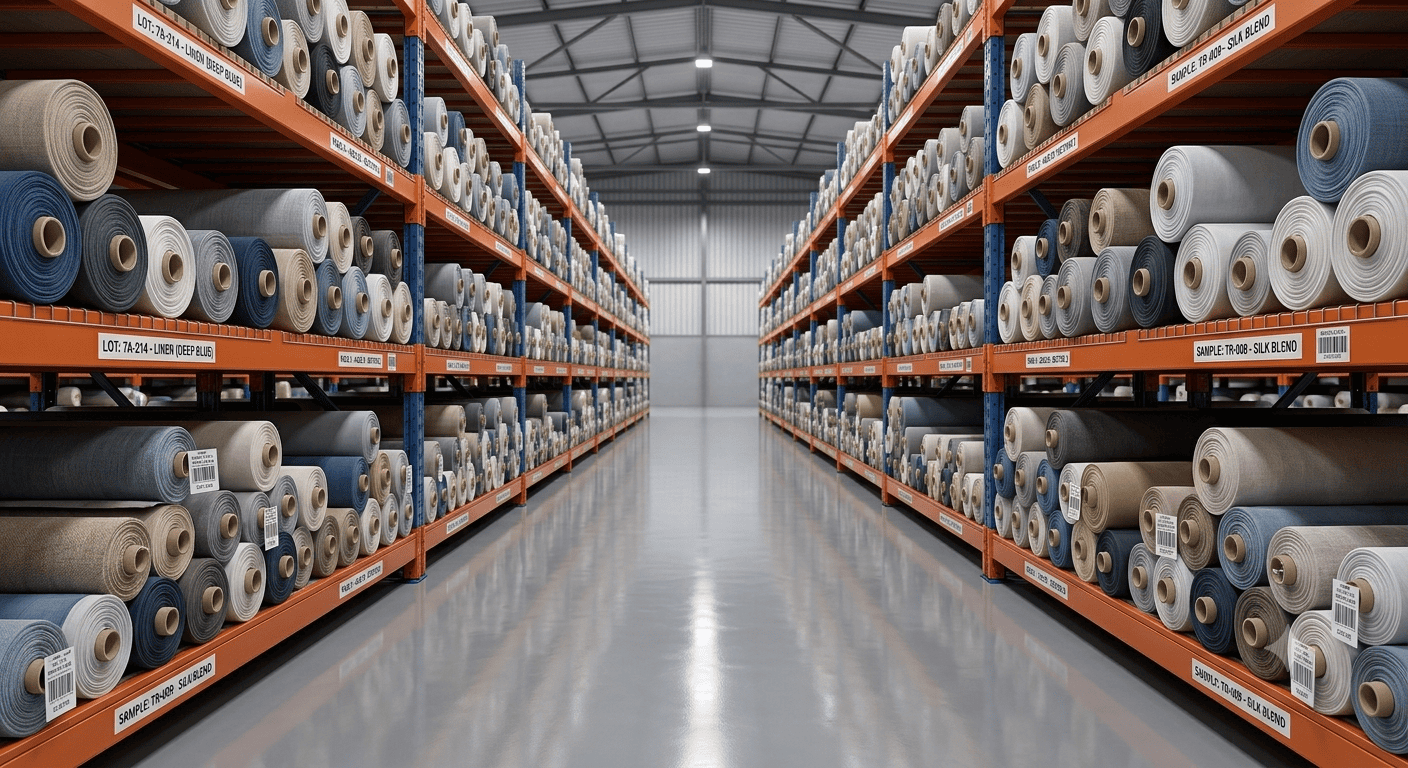
- Store fabric rolls in cool, dry environments with stable humidity.
- Avoid excessive compression to prevent embroidery deformation.
- Protect metallic embroidery from moisture exposure.
- Use breathable packaging materials for long-term storage.
- Perform regular inventory rotation to reduce discoloration risks.
Buyers sourcing premium
custom embroidery fabric
should also request export-grade packaging and humidity protection for international shipping.
FAQ for Global Textile Buyers
What is the standard MOQ for OEM embroidery fabric production?
MOQ depends on embroidery complexity, fabric type, and customization requirements. Many OEM factories offer flexible minimums for sample development and scalable production for large wholesale orders.
How long does OEM embroidery fabric production take?
Typical lead times range between 15 and 35 days depending on embroidery density, material sourcing, dyeing processes, and order volume.
Can factories develop fully exclusive embroidery patterns?
Yes. Professional OEM suppliers provide complete customization services including artwork digitization, exclusive embroidery design creation, and private label production.
How can buyers evaluate supplier quality before placing bulk orders?
Buyers should request production samples, inspect embroidery consistency, verify color fastness reports, and review factory quality control procedures before approving mass production.
Partner with Yituo for Professional OEM Embroidery Fabric Manufacturing
Yituo provides factory-direct embroidery fabric manufacturing with advanced production technology, flexible OEM/ODM development, strict quality control systems, and reliable global export support for fashion brands and textile wholesalers.
From luxury bridal embroidery to scalable wholesale textile production, our team helps brands develop premium custom embroidery fabric solutions with competitive pricing and fast delivery.