MOQ Explained for Embroidery Fabric Orders
Understanding MOQ in the global embroidery textile industry is essential for buyers sourcing custom embroidery…

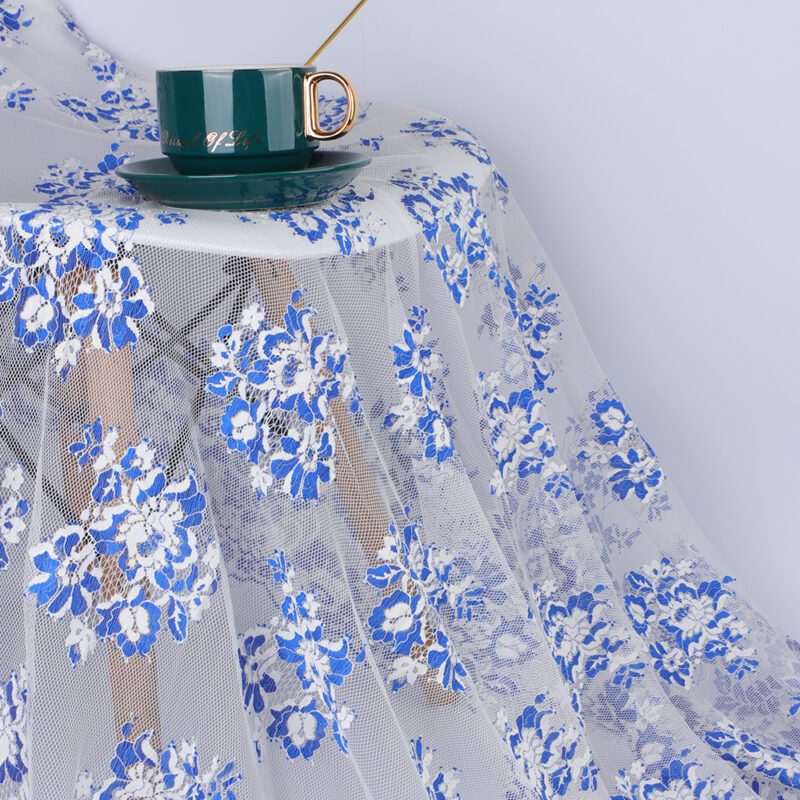
In a world of fleeting fashion trends, Classic Thread Lace remains an anchor of timeless elegance. Often referred to as “Old World” lace, this fabric eschews excessive shine or synthetic elasticity in favor of rich, textural depth and historical motifs. It evokes a sense of nostalgia, drawing inspiration from 19th-century handmade techniques like Victorian crochet and French needlepoint.
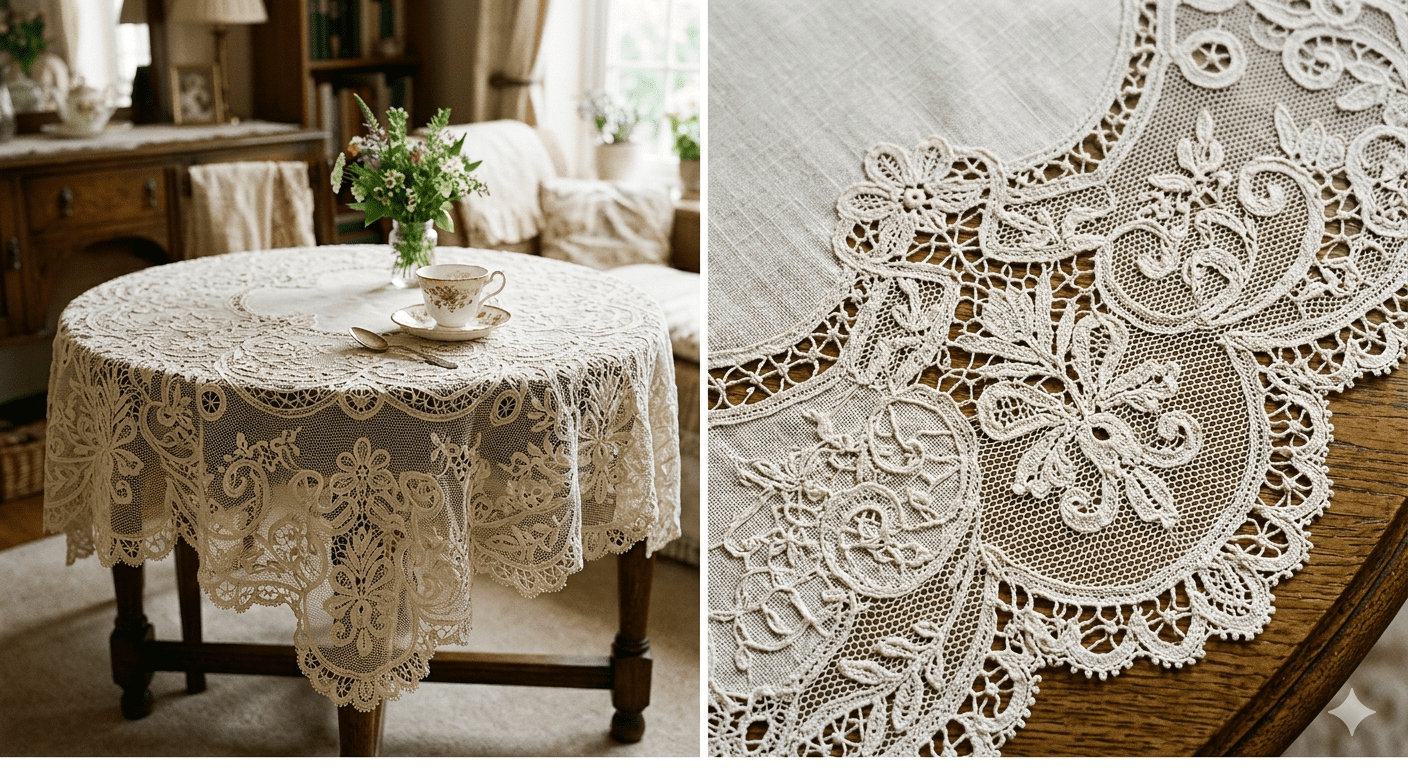
The hallmark of classic thread lace is its “heavy” and “flat” appearance compared to the flimsy mesh of modern synthetics. This artisanal quality is achieved through several specialized technical processes:
Using specialized Raschel or embroidery looms, the machines are set to a lower tension and a higher stitch density. This creates a fabric where the pattern—be it a fleur-de-lis, a paisley, or a dense floral—feels substantial and premium to the touch.
Unlike high-gloss bridal laces, classic thread lace utilizes yarns that have been treated to remove luster (de-lustering). This results in a sophisticated, understated matte finish that perfectly mimics the look of hand-spun thread.
Traditional thread lace is almost always finished with a distinct “eyelash” or “picot” edge. This requires precision cutting to ensure the border doesn’t fray while maintaining its delicate, vintage appearance.
The soul of classic thread lace lies in its fiber blend. To achieve its characteristic vintage look and skin-friendly texture, manufacturers often use:
Classic thread lace is the preferred choice for designers who prioritize character and durability:
Classic thread lace is the bridge between the past and the present. Its durability and unwavering aesthetic appeal make it a favorite for designers who aim to create “future heirlooms”—garments and textiles that will look as relevant in fifty years as they do today.