
For global garment manufacturers, fashion brands, and textile procurement managers, finding the right embroidery fabric manufacturer is critical to safeguarding product quality and maintaining a competitive edge. Sourcing wholesale embroidery fabrics involves navigating complex technical specifications, strict compliance standards, and fluctuating market trends. This comprehensive industry guide breaks down the essential technical queries and quality benchmarks required to optimize your bulk textile procurement operations.
1. Defining Premium Embroidery Fabric in B2B Sourcing
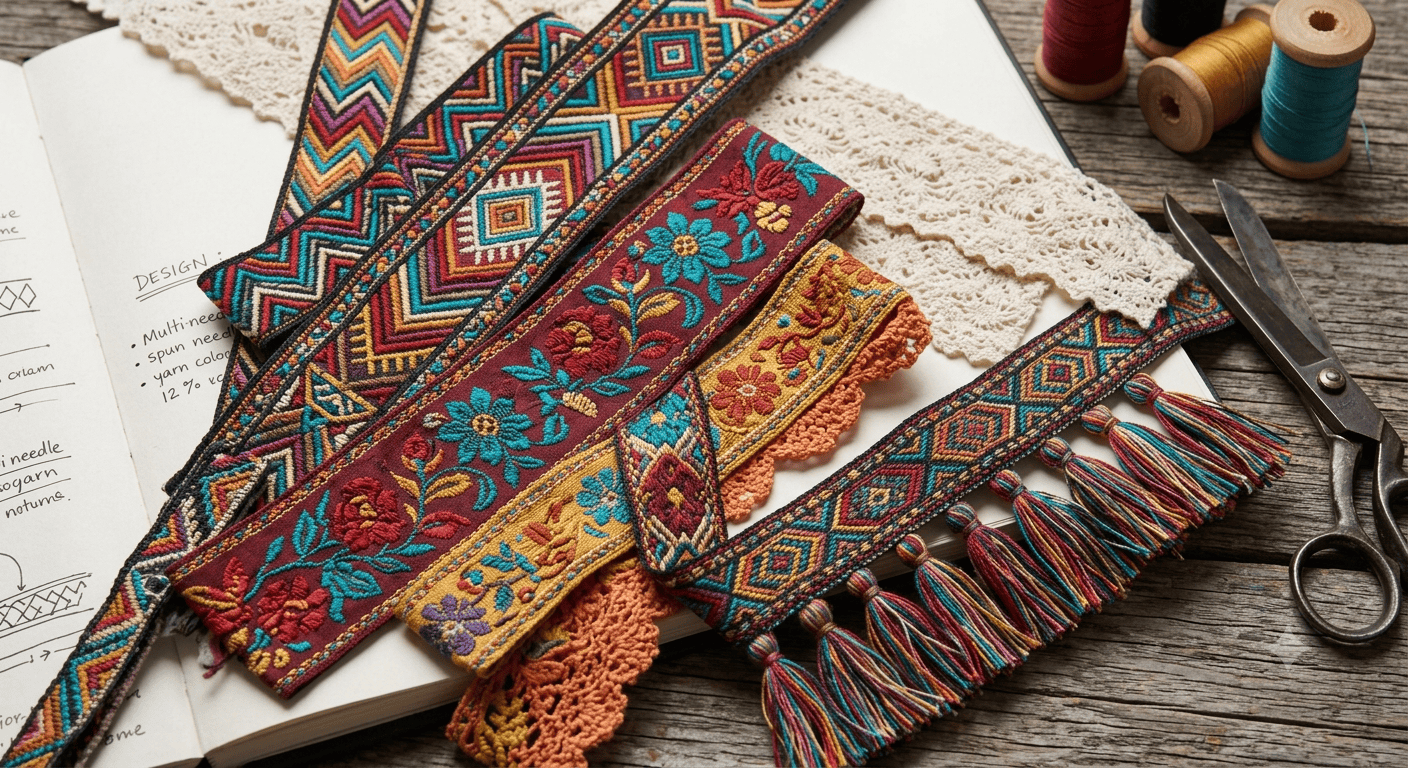
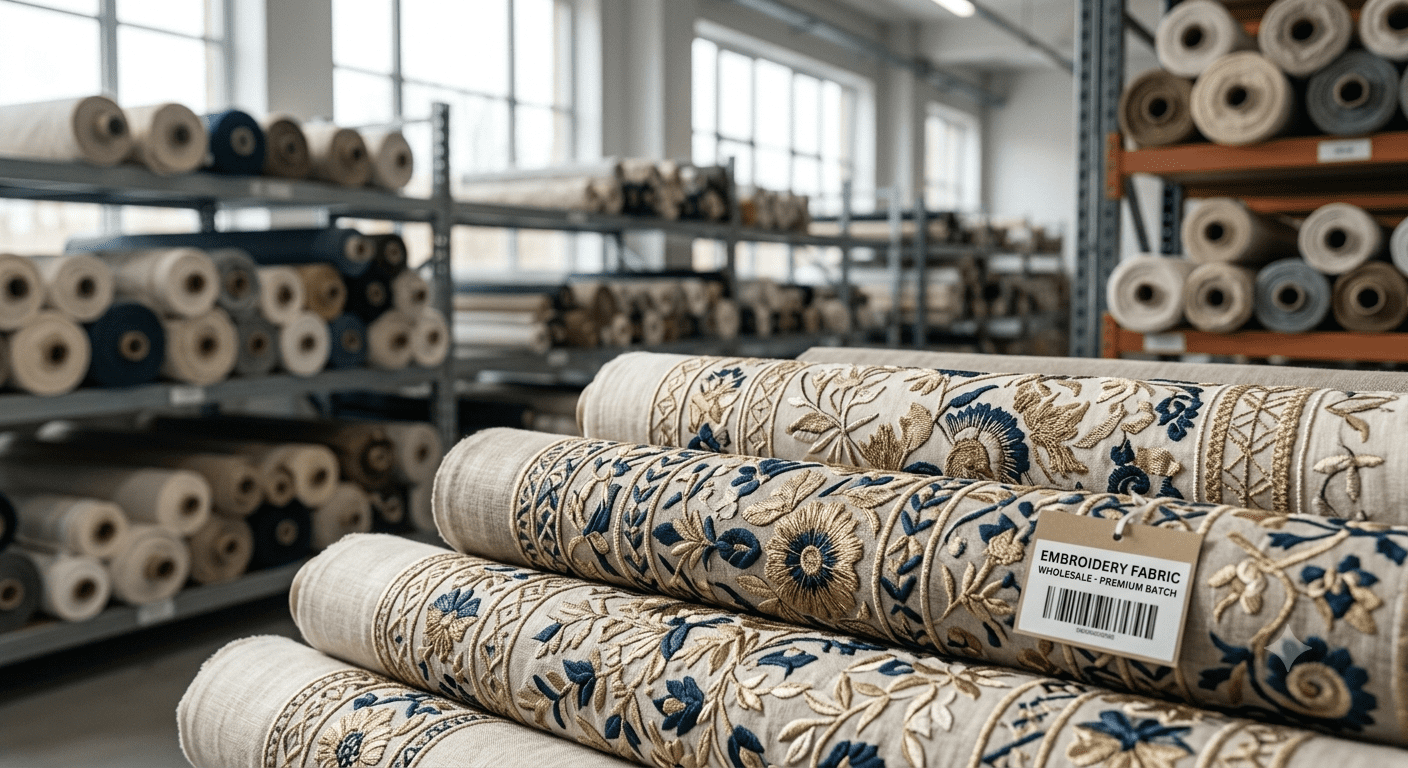
In industrial textile manufacturing, embroidery fabric represents a complex composite structure where a base substrate—ranging from delicate tulle and organza to robust cotton canvas—is embellished with decorative stitching using high-speed multi-head automated machinery. A professional embroidery fabric supplier must balance structural integrity with aesthetic execution.
When scaling up to bulk production, procurement teams frequently request custom embroidery fabric tailored to specific tensile strengths, stitch densities, and design motifs. Premium embroidery requires perfect synchronization between thread tension, backing stabilization, and needle selection to prevent puckering, distortion, or fiber rupture during subsequent garment assembly processes.
2. Technical Specifications & Material Comparison Matrix
Understanding the material properties of different substrates is essential for engineering functional textiles. The table below details the performance metrics crucial for commercial evaluation:
3. B2B Quality Control (QC) & Inspection Standards
To minimize cutting-room waste and avoid costly factory downtime, incoming fabric shipments must pass rigorous technical inspections based on international standards (such as the ASTM D5430 Four-Point System):
- Stitch Consistency & Continuity: Inspection under standard illumination to identify skipped stitches, loose loops, thread breakage, or registration errors between multi-head patterns.
- Color Fastness Protocols: Verification of embroidery thread and base fabric color fastness to washing (ISO 105-C06) and rubbing (ISO 105-X12), targeting a minimum rating of Grade 4.
- Edge Integrity and Trimming: For scallop edges or laser-cut embroidery, checking for thermal sealing consistency to eliminate fraying during commercial laundering.
- Dimensional Stability: Ensuring residual shrinkage remains under ±3% for woven substrates and ±5% for knit substrates following standard thermal processing.
4. Maintenance, Storage, and Care Guidelines
Maintaining the quality of delicate embellished fabrics requires strict adherence to industrial care guidelines during storage and subsequent distribution:
Industrial Storage Requirements:
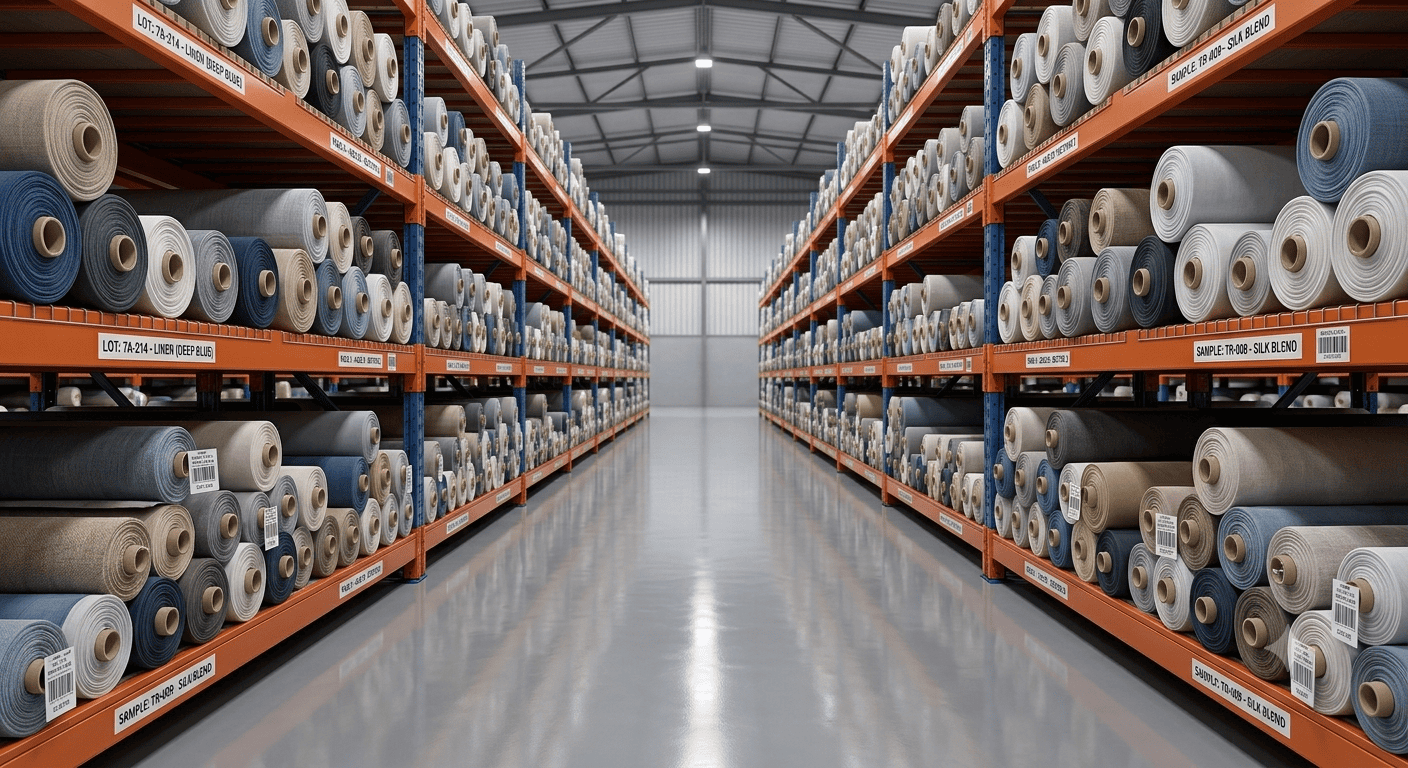
• Roll Orientation: Store rolls horizontally on dedicated racking systems. Vertical storage causes compression defects along the bottom edges of embroidered patterns.
• Environmental Regulation: Keep warehouse conditions stable at 20-25°C and 50-60% relative humidity to prevent degradation of elastic filaments and fine threads.
• UV Protection: Ensure rolls are wrapped in opaque polyethylene film to prevent localized photo-yellowing from overhead industrial lighting or direct sunlight.
5. 2026 Global Embroidery Technology & Design Trends
Staying ahead of shifting market demands is crucial for product developers. The global embroidery landscape in 2026 is defined by several prominent advancements:
- 3D Tactile & Multi-Layered Embroidery: Moving beyond flat designs, modern techniques combine laser-cut fabric appliqués, multi-tiered cording, and variable-height foam backing to create distinct three-dimensional textures.
- Sustainable Yarn Integration: Driven by compliance demands and eco-conscious consumer preferences, manufacturers are transitioning to GRS-certified recycled polyester threads, organic cotton foundations, and biodegradable water-soluble stabilization layers.
- Metallic & Refractive Elements: Sophisticated metallic yarn combinations—featuring matte-brushed finishes, iridescent foil wraps, and integrated micro-sequins—are trending in premium eveningwear and contemporary bridal markets.
Frequently Asked Questions (FAQ)
Q1: How do you ensure pattern continuity across seams when ordering custom embroidery fabric in bulk?
A: Our design engineering team provides comprehensive CAD layout mapping and step-repeat pattern alignments. By matching the technical layout to your structural pattern pieces, we minimize distortion and facilitate seamless alignment during garment cutting and stitching.
Q2: What are your factory’s Minimum Order Quantities (MOQ) for bespoke and stock designs?
A: Standard stock designs carry flexible MOQs tailored for agile supply chains. For bespoke patterns or fully customized material compositions, MOQs generally start at 500 to 1,000 meters per color run, depending on stitch density and substrate complexity.
Q3: Are your embroidery components compliant with OEKO-TEX and chemical safety regulations?
A: Yes, all embroidery base substrates and specialized threads comply with OEKO-TEX Standard 100 and REACH regulations. We provide certified laboratory test results detailing heavy metal exclusions and restricted substance limits with every production batch upon request.
Partner with Yituo Lace – Your Premier Embroidery Source
Leverage our direct-from-factory production advantages, cutting-edge multi-head machinery, and comprehensive OEM/ODM customization services. Streamline your supply chain with premium quality assurance and agile turnarounds tailored for global apparel brands.