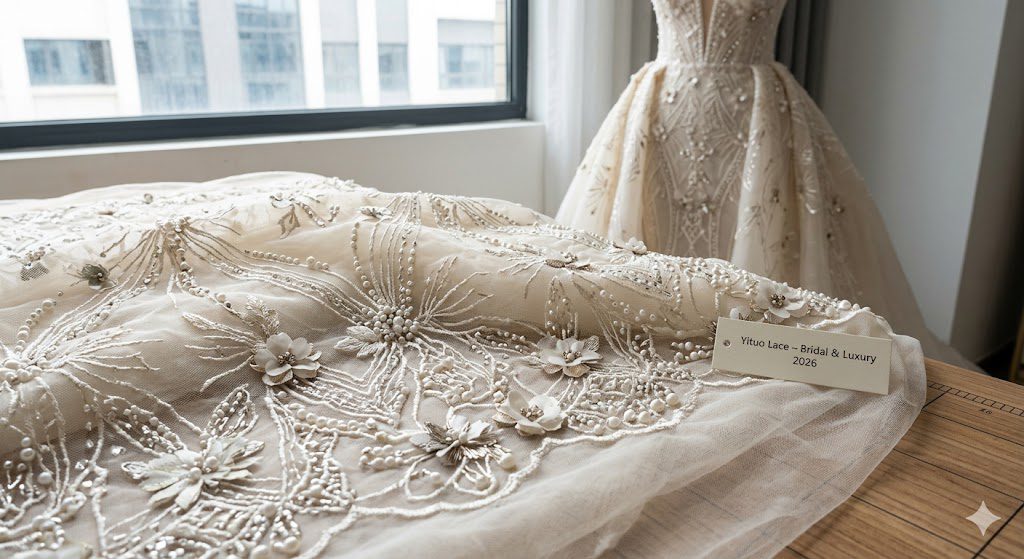
Embroidery Fabric in Bridal & Luxury Fashion 2026
By Textile Industry Insights | April 20, 2026 Quick Answer: Embroidery fabric is a key…


By Textile Industry Insights | April 21, 2026
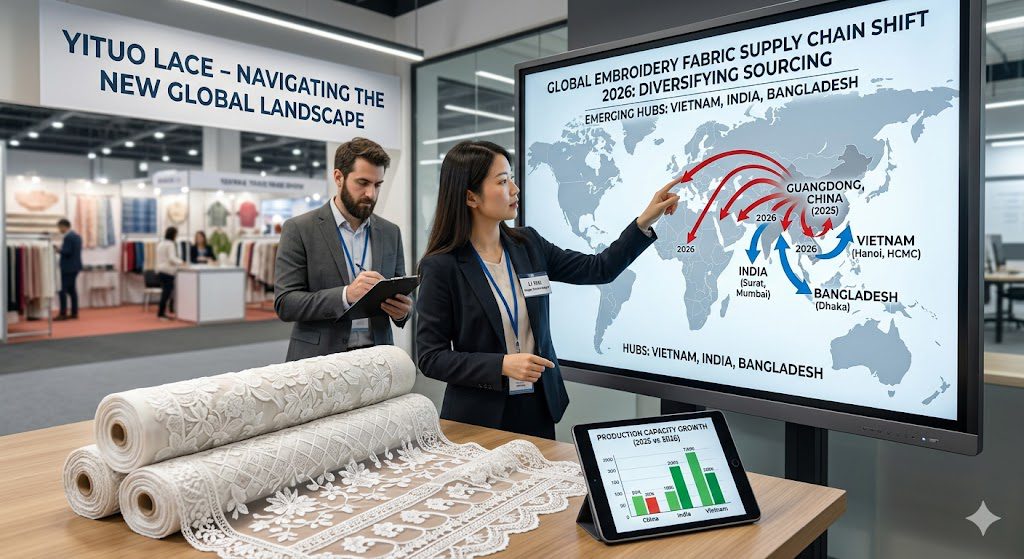
Featured Snippet: The global embroidery fabric supply chain is undergoing a major shift in 2026, driven by sustainability, regional sourcing diversification, and demand for customization. Businesses are adapting by partnering with reliable embroidery fabric suppliers and leveraging wholesale and custom manufacturing solutions.
The embroidery fabric industry is evolving rapidly in 2026 as global supply chains adjust to new economic, environmental, and technological pressures. Brands are shifting away from single-source dependency toward diversified sourcing strategies.
Key embroidery fabric trends include:
This supply chain shift is pushing embroidery fabric manufacturers to become more agile and responsive to global market needs.
The embroidery fabric supply chain shift is reshaping how businesses operate, source, and scale. Companies are prioritizing resilience, transparency, and speed to market.
Major impacts on the embroidery fabric market include:
As global trade dynamics evolve, suppliers who can offer flexibility and consistent quality are gaining a competitive edge.
Choosing the right embroidery fabric supplier is critical in this changing landscape. B2B buyers are seeking partners who can provide both reliability and innovation.
Top embroidery fabric supplier capabilities include:
Working with an experienced embroidery fabric manufacturer ensures consistent product quality and supply chain stability.
To stay competitive in 2026, businesses must embrace embroidery fabric wholesale and custom production models. Bulk sourcing reduces costs and ensures timely delivery.
Advantages of wholesale embroidery fabric sourcing:
Whether you need large-scale production or specialized designs, partnering with a trusted supplier is key to success.
Start optimizing your supply chain today:
The shift is driven by sustainability demands, geopolitical changes, and the need for diversified sourcing strategies.
Look for suppliers with proven experience, customization capabilities, and strong global logistics support.
Yes, many manufacturers now offer eco-friendly embroidery fabrics with certified materials and processes.
Bulk orders reduce costs, improve supply stability, and provide access to better customization options.
Most suppliers offer custom solutions, allowing businesses to create unique fabrics tailored to their specific needs.