2026 Embroidery Fabric Trend Alert: “Modern Heirloom” Designs Drive Demand in U.S. Fashion
Table of Contents Trend Overview: “Modern Heirloom” Takes Center Stage What This Means for Embroidery…

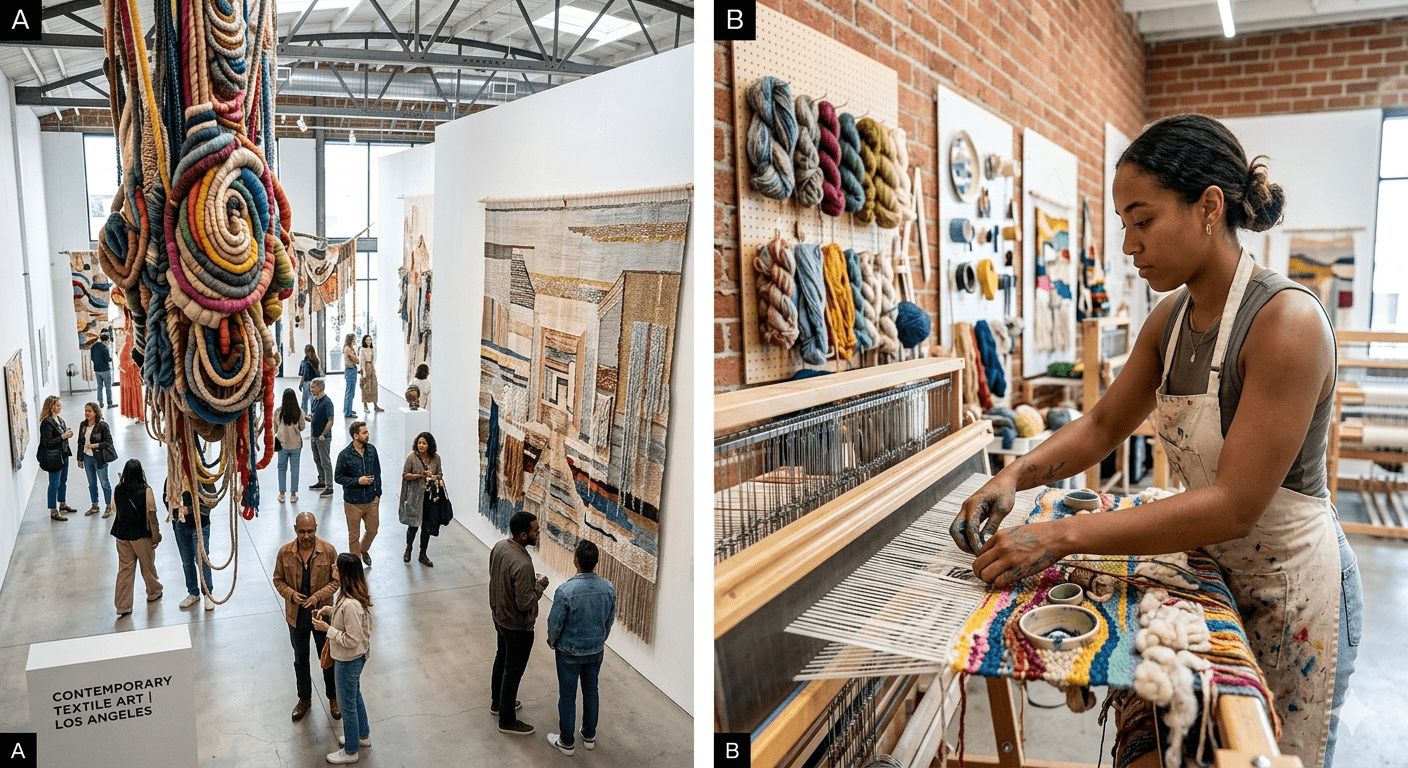
Table of Contents
At the 2026 Frieze Los Angeles art fair, textile-based works became a focal point, marking a turning point in the perception of fiber and embroidery within contemporary art. Traditionally considered a craft, textiles are now being recognized for their narrative power, technical sophistication, and cultural significance. Curators noted that embroidered installations are capable of engaging audiences with both tactile beauty and conceptual depth, challenging the boundary between art and craft.
Several galleries showcased large-scale embroidered murals and mixed-media installations. Artists incorporated unconventional materials such as metallic threads, recycled fabrics, and interactive fiber structures. These innovations highlight the versatility of embroidery as a medium that can convey historical, political, and personal stories while engaging viewers in immersive experiences.
Embroidery, once predominantly seen as a domestic or hobbyist craft, is gaining legitimacy as a fine art form. Critics and art enthusiasts alike have praised the skill and creativity involved in contemporary embroidery, from hyper-realistic portraits to abstract compositions. This recognition has opened opportunities for emerging textile artists, providing access to galleries, grants, and collaborative projects.
Notably, the fair featured several collaborative pieces where embroidery was paired with digital projection and sculpture, demonstrating that traditional techniques can evolve in dialogue with modern technologies. These hybrid works attract a broader audience, including collectors interested in both textile craftsmanship and innovation.
Key trends observed include the integration of sustainability in textile art. Many artists utilized organic fibers, natural dyes, and reclaimed fabrics to emphasize environmental awareness. The combination of aesthetic appeal and ethical production resonates strongly with contemporary consumers, particularly younger demographics who value sustainability.
Another notable trend is customization and personalization in embroidery, which has crossed over from bespoke art installations to consumer-ready products. These trends indicate that embroidery is not only thriving as an art form but also influencing commercial applications, from fashion and home decor to limited-edition textile products.
The rising prominence of embroidery in art and culture has significant implications for fabric suppliers and niche markets. Specialty embroidery fabrics are seeing increased demand, particularly high-quality cottons, silks, and blends suitable for both professional artists and craft enthusiasts. Retailers may find opportunities in curated collections that cater to both hobbyists and professional artisans.
Additionally, workshops, online tutorials, and embroidery kits are gaining popularity, signaling an expanding market for educational resources. Businesses that provide premium materials, sustainable options, and innovative patterns are likely to benefit from this growing consumer base.
Consumer behavior data indicates a surge in searches and purchases related to embroidery fabrics, kits, and patterns. Platforms like Etsy, Amazon, and specialized craft retailers report increased engagement, particularly among millennials and Gen Z, who value handmade, customizable, and sustainable products. Social media trends, including “fiber art challenges” and viral embroidery tutorials, further amplify public interest.
For niche websites such as https://www.yituoembroidery.com/, these developments offer an opportunity to strengthen brand authority, diversify product offerings, and engage directly with a community passionate about embroidery.