
For brands seeking scalable production and cost efficiency, we also provide flexible options for wholesale embroidery fabric, supporting both large-volume orders and long-term partnerships in bridal and luxury fashion.
1. Flat Embroidery Fabric
Flat embroidery fabric, also known as traditional embroidery, is one of the most commonly used techniques in the fashion industry. It involves stitching patterns directly onto a base fabric, resulting in a smooth and clean finish.
Key Features
- Flat and smooth surface
- Precise detailing for logos and patterns
- Cost-effective for bulk production
Applications in Fashion
Flat embroidery fabric is widely used in shirts, dresses, uniforms, and casual wear. Many brands rely on an experienced embroidery fabric supplier to ensure consistency in large-scale production, especially for logo embroidery and branding elements.
2. 3D Embroidery Fabric
3D embroidery fabric creates a raised, three-dimensional effect that enhances visual impact. This technique often uses foam or layered stitching to achieve depth and structure.
Key Features
- Raised and textured design
- Strong visual and tactile appeal
- Premium and modern aesthetic
Applications in Fashion
3D embroidery fabric is popular in streetwear, sportswear, and high-end fashion collections. A reliable embroidery fabric supplier ensures durability and precision, which are critical for maintaining the shape and quality of 3D designs.
3. Water-Soluble Embroidery Fabric
Water-soluble embroidery, also known as chemical lace or guipure embroidery, uses a special backing that dissolves in water, leaving only the embroidered design.
Key Features
- No visible base fabric
- Lightweight and breathable
- Highly intricate and delicate patterns
Applications in Fashion
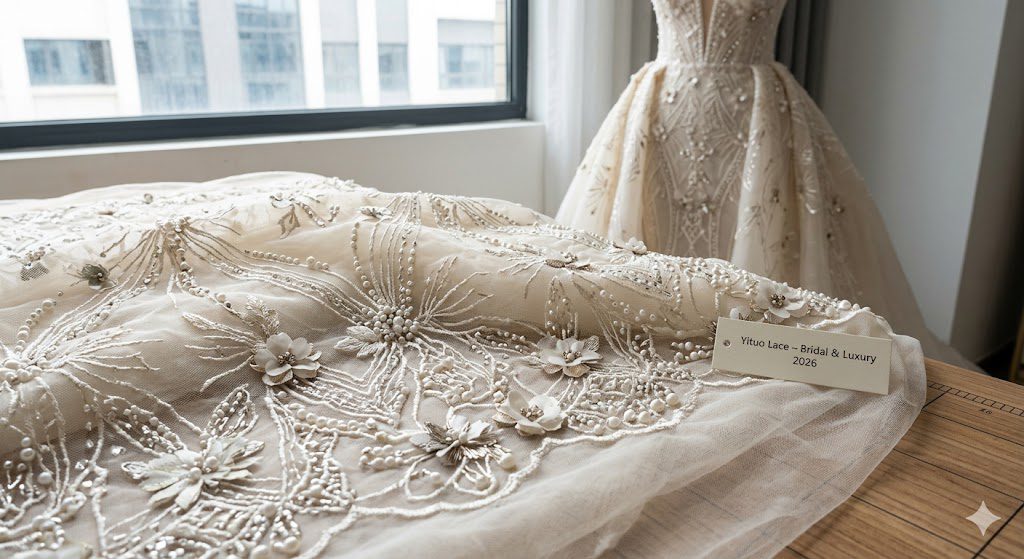
This type of embroidery fabric is commonly used in bridal wear, evening gowns, and decorative trims. Many buyers choose a professional embroidery fabric supplier to ensure clean dissolving processes and high-quality thread performance.
4. Lace Embroidery Fabric
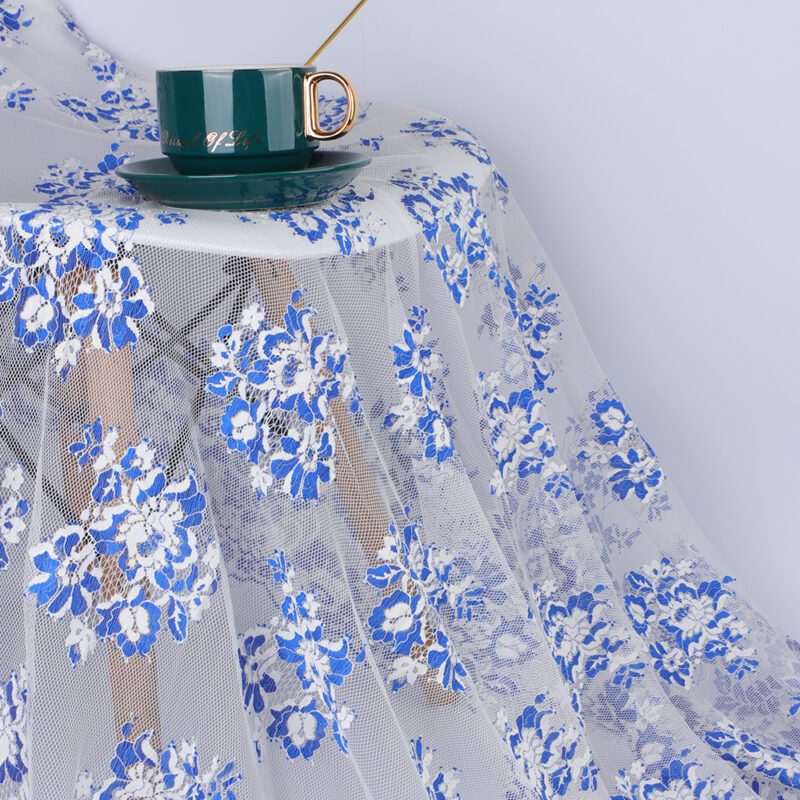
Lace embroidery fabric combines embroidery techniques with mesh or net fabrics to create elegant and decorative patterns. It is one of the most popular choices in feminine fashion.
Key Features
- Elegant and delicate appearance
- Wide variety of patterns and densities
- Flexible for different garment designs
Applications in Fashion
Lace embroidery fabric is widely used in wedding dresses, lingerie, and evening wear. A trusted embroidery fabric supplier can offer customized lace designs to help brands differentiate their collections in competitive markets.
How to Choose the Right Embroidery Fabric Supplier
Selecting the right embroidery fabric supplier is crucial for ensuring product quality and long-term business success. Buyers should evaluate suppliers based on production capacity, customization capabilities, and quality control standards.
- Production Capacity: Ability to handle bulk and consistent orders
- Customization: Support for unique designs and materials
- Quality Control: Strict inspection for durability and colorfastness
- Lead Time: Reliable and timely delivery
Conclusion
From flat embroidery to lace and water-soluble techniques, each type of embroidery fabric offers unique advantages for different fashion applications. Understanding these options helps brands select the right materials and stay competitive in the global market.
If you are looking for a reliable embroidery fabric supplier, working with an experienced partner can help you achieve better product quality, customization, and long-term success in the fashion industry.